
 By
By 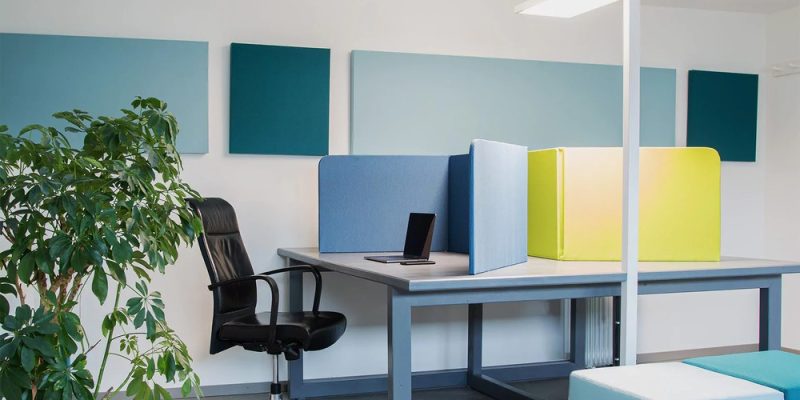
Walk into a room, and sometimes, you can tell right away that something feels… off.
It’s not always obvious visually. The design might look clean, modern, and even well thought out. But once people start talking, the experience changes. Voices overlap, sounds bounce around, and suddenly the space feels louder than it should.
That’s usually where acoustics come into play.
In many cases, the issue isn’t about volume-it’s about how sound behaves inside the room. And that’s often when acoustic panels in Singapore start to make a noticeable difference.
So instead of waiting for complaints or discomfort to build up, it helps to recognise the early signs.
Conversations feel harder than they should.
This is usually the first thing people notice, even if they don’t immediately connect it to acoustics.
You’re in a meeting or having a simple conversation, and somehow:
- People are talking over each other more
- You’re asking others to repeat themselves
- You feel like you have to concentrate harder just to follow along
It’s not that the room is extremely noisy-it’s that the sound isn’t clear.
Voices bounce off hard surfaces and mix together, so instead of hearing one person cleanly, you’re hearing layers of reflected sound.
Over time, this becomes mentally tiring. You might not notice it right away, but over time, it starts to affect how comfortable the space feels for communication.
Echo shows up in small, everyday moments.
Sometimes the sign is more obvious.
You clap your hands, move a chair, or hear someone speak-and there’s a slight “ring” or tail to the sound.
That’s an echo.
But it’s not always dramatic. In many spaces, it’s subtle:
- Words linger just a bit longer than they should
- Sounds feel slightly stretched
- The room never feels fully “quiet,” even when it should be
This usually happens in rooms with a lot of hard surfaces-glass, concrete, tiles, or even large empty walls.
Without something to absorb sound, it just keeps bouncing around.
That’s when adding sound absorbing panels start to shift the experience. The room feels tighter, more controlled, and less “echoey” without needing to change the overall design.
The room feels constantly “busy” with sound.
Some spaces never feel quiet, even when nothing major is happening.
You might notice:
- A low-level hum of activity all the time
- Small noises becoming more noticeable than they should
- A general sense that the space is always “on”
This is common in open-plan offices, shared workspaces, or even certain home environments.
What’s happening is that sound isn’t being absorbed-it’s building up.
Every small noise adds to the overall environment:
- Typing sounds
- Footsteps
- Chairs moving
- Distant conversations
Individually, these aren’t loud. But together, they create a constant layer of background noise that never really settles.
Over time, that can affect focus and comfort more than people realise.
Background noise becomes harder to ignore.
In a well-balanced space, background noise fades into the environment.
You’re aware of it, but it doesn’t pull your attention away.
In a poorly treated space, it’s different.
Suddenly:
- You notice conversations from across the room
- Small sounds feel sharper or closer
- It’s harder to “tune out” distractions
That’s because sound isn’t staying where it’s created-it’s travelling.
Without proper absorption, noise spreads across the entire space instead of staying localised.
And once that happens, even a relatively quiet room can feel distracting.
People naturally adjust their behaviour.
This is a subtle one, but it says a lot.
When acoustics aren’t working well, people start adapting without realising it.
You might see:
- People speaking louder than necessary
- Others lowering their voices to compensate
- Conversations becoming shorter or more fragmented
In meeting rooms, this can affect how discussions flow. In offices, it can change how teams communicate day to day.
It’s not always obvious at first, but over time, it shapes how the space is used.
A better acoustic setup doesn’t just improve sound-it helps people communicate more naturally again.
Sound travels further than expected.
Another clear sign is when sound carries across the room too easily.
You might be on one side of the space and still hear a conversation happening far away, almost as if it’s right next to you.
This is especially common in:
- Open-plan layouts
- Large rooms with minimal partitions
- Spaces with high ceilings
Without absorption, sound doesn’t fade properly-it just keeps going.
That’s when the space starts to feel less private, even if it’s not meant to be quiet.
The space looks good-but doesn’t feel comfortable.
Modern interiors often prioritise clean lines and minimalism.
Think:
- Glass walls
- Polished surfaces
- Open layouts with fewer soft elements
Visually, these spaces look great.
But acoustically, they can be challenging.
Hard surfaces reflect sound instead of absorbing it, so even a beautifully designed room can feel uncomfortable to use.
This is where acoustics and design need to work together.
Because a space isn’t just about how it looks-it’s about how it behaves when people are actually in it.
Meetings and work feel more tiring over time.
This is probably the most overlooked sign.
Poor acoustics don’t just affect sound-they affect energy levels.
In spaces where sound isn’t controlled:
- People strain to hear clearly
- Conversations require more effort
- Focus drops more quickly
Even if everything else is fine, the environment feels more draining than it should.
And over time, that can affect productivity, engagement, and overall comfort.
Final Thoughts
Most spaces don’t start out with obvious acoustic problems.
Instead, the signs show up gradually-unclear conversations, lingering echo, constant background noise, and a general feeling that something isn’t quite right.
That’s usually the point where an acoustic panel in Singapore setup starts to make sense.
Not as a drastic change, but as a way to bring balance back into the space.
Because at the end of the day, good acoustics are about making it feel natural-where conversations are easy, noise stays manageable, and the space works the way people expect it to.









Comments