
 By
By 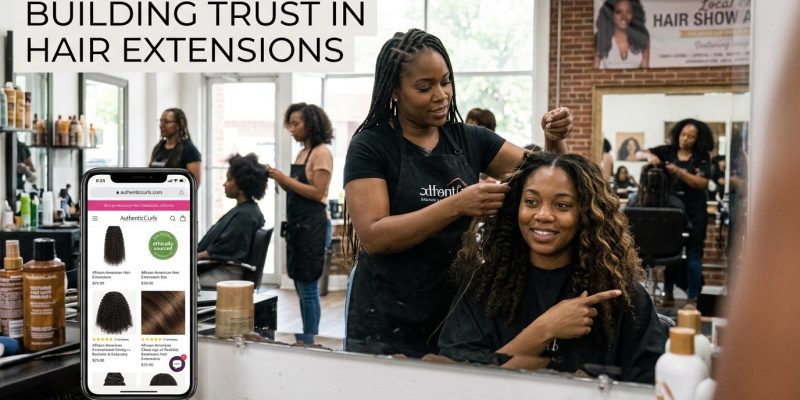
Trust is one of the most important factors in online hair retail because customers cannot touch, compare, or test the product before buying it. They must rely on the information, images, policies, and service standards presented on the website. This is especially true for shoppers purchasing textured extensions, where curl definition, density, origin, color, shedding, shrinkage, and maintenance can strongly influence the final result. A trustworthy store removes uncertainty rather than expecting customers to take a risk. By combining honest presentation with useful education and responsive support, a hair company can turn first-time visitors into confident buyers and, eventually, loyal customers. The website should therefore function as both a storefront and a reliable guide, helping visitors understand what they are buying, what results they can reasonably expect, and what assistance will be available if something goes wrong.
Trust Begins Before the Customer Reaches Checkout
For textured and natural hair shoppers, the strongest African american hair extensions websites do more than display attractive hairstyles. Customers also look for clear product specifications, realistic imagery, accessible care information, transparent shipping policies, secure checkout, and evidence that the company understands the textures it sells. These details tell visitors whether the retailer is prepared to support them before and after the purchase.
Credibility should be visible throughout the shopping journey. A professional About page, working contact information, secure payment options, consistent branding, and clearly written product pages all help reduce doubt. Businesses should also avoid exaggerated promises, such as claiming that every texture is completely maintenance-free or will perform identically for every customer. Honest expectations build more trust than dramatic marketing claims that may lead to disappointment.
Small credibility signals can make a meaningful difference, including:
- Visible customer service hours and contact methods
- Secure checkout and recognizable payment options
- Clear information about hair origin, processing, and construction
- Consistent policies across product, shipping, and returns pages
- Original photographs, videos, and identifiable customer results
Product Education Must Answer Real Buying Questions
Hair extensions are not simple, interchangeable products. Customers may need to understand curl pattern, strand thickness, bundle weight, weft type, recommended quantity, expected shrinkage, color options, and how the hair behaves after washing. A dependable retailer explains these details in plain language instead of assuming every shopper already understands professional hair terminology.
When presenting textured and natural hair, a specific product page for Burmese Curly Hair Bundles should help shoppers understand the curl appearance, fullness, maintenance needs, styling possibilities, and how the length is measured. It should also explain whether the texture changes when wet, brushed, diffused, or air-dried. This type of education allows customers to compare the product with their own hair and styling goals before placing an order.
Helpful education can also reduce avoidable returns and support requests. Care guides, installation suggestions, comparison charts, videos, and frequently asked questions give customers practical guidance while showing that the business understands its merchandise. The goal is not to overwhelm visitors with technical details but to provide enough information for them to make a realistic and informed choice.
Accurate Images, Reviews, and Support Strengthen Confidence
Product photography should represent what customers are likely to receive. Websites should use clear images from multiple angles and, where possible, show the hair before and after washing, in different lengths, and in both close-up and finished styles. Businesses should clearly label professionally colored, layered, or heavily styled images so shoppers do not mistake a customized result for the product straight from the package.
Customer reviews become more valuable when they include useful details such as the purchased length, number of bundles, installation method, wear time, and care routine. Retailers should publish a balanced range of verified feedback rather than displaying only short, overly polished praise. Constructive reviews can build credibility when the company responds professionally and explains how concerns were handled. Responses should remain calm, specific, and solution-focused rather than defensive, even when the business disagrees with part of a complaint.
Responsive customer service completes the trust-building process. Shoppers should be able to ask questions before purchasing and receive answers that reflect the actual product rather than a generic sales script. Staff should understand texture differences, matching considerations, maintenance expectations, and company policies. When a problem occurs, timely communication and a clear resolution process can protect the relationship even when the customer is disappointed.
Final Notes for Long-Term Success
Shipping, return, exchange, cancellation, and refund policies should be easy to find before checkout. Important conditions should not be hidden on long pages or introduced only after a customer raises a concern. Retailers should clearly explain processing times, delivery estimates, return eligibility, restocking fees, product-condition requirements, and how customers should report missing or damaged orders.
Trust grows when every part of the website communicates the same message: the company knows its products, respects the customer’s investment, and is willing to provide support. Accurate images attract attention, but honest education, dependable service, credible reviews, and transparent policies are what turn interest into confidence. Hair businesses that maintain these standards are more likely to earn repeat purchases, referrals, and a strong reputation that supports long-term growth.





Comments