
 By
By 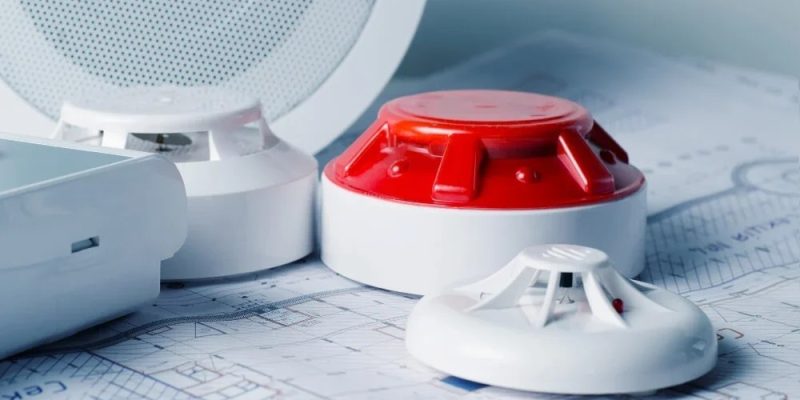
Attention usually goes toward work schedules, customers, deliveries, or daily responsibilities instead of smoke detectors mounted overhead. After enough time passes, alarms and warning systems simply blend into the surroundings because everybody assumes those systems will work if something serious ever happens. Once stories involving electrical fires, evacuation delays, or damaged properties begin circulating, many owners start looking into pace protections because emergency preparation suddenly feels much more important after realizing how quickly normal activity can turn chaotic.
Busy Properties Need Faster Emergency Communication
Buildings handling large amounts of activity every day often create additional challenges during emergencies. Employees move between rooms constantly, customers enter unfamiliar spaces, and equipment noise sometimes makes warning signals harder to notice immediately.
Clear communication becomes extremely important once confusion begins spreading through crowded hallways or office areas. Delayed warnings may cause hesitation because people stop understanding whether alarms signal danger or temporary system testing.Reliable fire alarm coverage helps reduce uncertainty before situations become more stressful than necessary.
Safety Planning Supports Business Continuity
Unexpected emergencies interrupt far more than physical property. Business operations, customer communication, employee schedules, and financial responsibilities all become harder to manage once buildings stop functioning normally.
Home security systems and business security systems usually work better when fire safety becomes part of the overall protection strategy instead of operating separately from other emergency planning measures.
While researching pace protections, many property owners gradually realize fire alarm installation involves preparation for long term safety and operational stability rather than simply meeting minimum requirements.
Emergency Situations Affect Human Reactions Differently
Stress changes how people respond once alarms suddenly interrupt regular routines. Certain individuals move immediately toward exits while others freeze completely waiting for additional instructions.Visitors unfamiliar with the property often create extra delays because they stop searching for directions once crowded areas become louder and more confusing. Loud
Emergency systems quietly protect buildings every day without attracting much attention from employees or property owners. That usually creates enough confidence for inspections and maintenance to get postponed longer than intended.
FAQ’S
- Why is fire alarm installation important?
It helps warn people quickly during smoke or fire emergencies.
- Can emergency systems become unreliable over time?
Yes. Older equipment may weaken without maintenance and inspections.
- Why should businesses test fire alarms regularly?
Testing helps identify hidden problems before emergencies happen.
Nobody really thinks much about fire alarms while everything feels normal inside a building. The real value shows up during those few stressful moments when people need clear warnings, working lights, and enough time to react without confusion getting in the way of safe decisions.










Comments