
 By
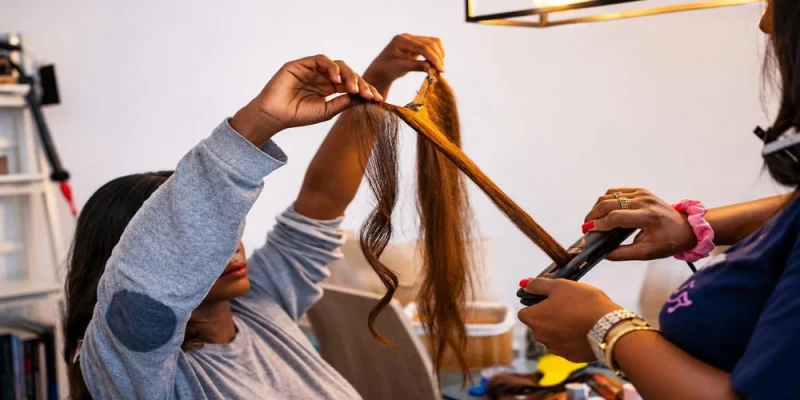
The hair extensions industry has grown into a competitive beauty market, with countless companies promising premium quality, natural-looking textures, and long-lasting results. For shoppers, however, distinguishing a reliable business from one relying heavily on attractive advertising can be challenging. Beautiful product photos, celebrity endorsements, and expensive packaging do not always translate into quality hair. Today’s consumers are increasingly interested in knowing where their extensions come from, how they are processed, and whether a company stands behind its products. For entrepreneurs, this shift presents an important opportunity to build businesses around genuine customer needs rather than short-term sales. Understanding what makes a hair extension company trustworthy can help consumers shop confidently while revealing valuable lessons about brand credibility, customer loyalty, and sustainable business growth.
Transparency and Authentic Hair Quality Build Consumer Trust
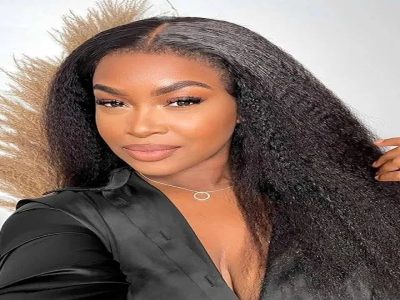
For women embracing their natural curls, coils, and textured hairstyles, finding extensions that blend realistically is often more important than following trends. This is where establishedNatural Hair Extensions Brands distinguish themselves by providing accurate product descriptions, realistic texture options, and clear information about hair quality. Rather than simply advertising every product as premium, reputable companies explain what customers are purchasing and how different textures behave.
Hair sourcing is another important consideration. Terms such as virgin, raw, and Remy frequently appear in beauty marketing, but they are not always used consistently across the industry. Responsible businesses explain their sourcing and processing practices without making claims they cannot substantiate. They also clarify whether products have undergone coloring, chemical treatments, or texture modification.
Product consistency matters just as much as transparency. Customers expect their next purchase to resemble their previous order in texture, density, and overall performance. While natural hair can vary between batches, dependable suppliers maintain quality-control procedures that minimize unexpected differences.
Some practical indicators of quality include:
- Clearly explained hair origins and processing methods.
- Accurate product photographs showing realistic textures.
- Consistent density, construction, and curl patterns.
- Honest guidance about maintenance, shedding, and longevity.
Texture Expertise and Product Education Create a Competitive Advantage
Understanding textured hair requires more than offering a few curly bundles. Natural hair comes in different curl patterns, densities, and porosities, meaning customers need guidance on selecting extensions that complement their existing hair. Companies that understand these differences can make better product recommendations and reduce disappointing purchases.
For example, shoppers with naturally textured hair might explore aKinky Curly Hair Bundles Sale when looking for extensions that complement their curls. However, an attractive discount should not replace questions about curl definition, shrinkage, bundle weight, or maintenance requirements. Trustworthy retailers help customers understand these details before checkout instead of focusing exclusively on promotional offers.
Professional hairstylists also contribute significantly to brand credibility. Their experience installing, coloring, washing, and maintaining extensions provides practical insight into product performance. Businesses that listen to stylist feedback can identify recurring concerns, improve construction methods, and develop products suited to real styling needs.
Educational content strengthens this relationship. Tutorials explaining proper detangling, washing techniques, heat protection, and installation methods help customers maintain their purchases. From a business perspective, useful education can reduce preventable complaints while encouraging repeat purchases and word-of-mouth recommendations.
Ethical Practices and Reliable Customer Service Strengthen Reputation
Trust extends beyond product quality. Customers also evaluate how companies handle mistakes, respond to complaints, and communicate their policies. A business that promises exceptional service but becomes unresponsive after receiving payment risks damaging its reputation, regardless of how impressive its products appear.
Excessive shedding, persistent tangling, inaccurate texture descriptions, and questionable human hair claims are common concerns among extension shoppers. Although some shedding and tangling can occur with genuine human hair, responsible companies investigate unusual problems rather than automatically blaming customers. Clear return policies, accessible support channels, and fair complaint-resolution procedures demonstrate accountability.
Ethical business practices also include responsible marketing, transparent pricing, and honest communication about supply chains. Black-owned hair businesses can bring valuable firsthand understanding of textured-hair needs and historically underserved customers. Their credibility, however, ultimately depends on the same measurable standards of quality, transparency, and service expected from any successful company.
For entrepreneurs, these principles support long-term growth. Resolving problems professionally may require additional resources initially, but dependable service can strengthen customer relationships and protect brand reputation.
Authentic Reviews and Smart Shopping Reveal the Real Difference
Social media visibility can help beauty companies attract attention, but popularity should never be confused with reliability. Influencer partnerships and professional photography highlight products effectively without necessarily demonstrating how extensions perform after several weeks of regular use.
Customer reviews become more useful when they describe specific experiences, including installation, washing, repeated wear, and communication with the seller. Reviews containing customer photographs and balanced observations can provide context that promotional campaigns may overlook. Shoppers should examine patterns across multiple independent sources rather than relying on isolated five-star testimonials.
Before purchasing, consumers should consider a few important questions:
- Does the company provide detailed texture and product specifications?
- Are customer reviews credible and consistent across platforms?
- Can representatives explain care requirements and product limitations?
- Are shipping, exchange, and return policies easy to understand?
- Does the business respond constructively when customers report problems?
Premium pricing alone does not guarantee superior performance. Similarly, affordable products are not automatically inferior. Comparing construction, hair quality, customer support, and expected maintenance provides a more meaningful assessment of overall value.
The Bottom Line
Successful hair extension businesses earn customer confidence through consistent performance, transparent communication, and dependable service. Their strongest competitive advantage is not necessarily advertising reach or celebrity recognition, but the ability to deliver what they promise.
For shoppers, looking beyond marketing claims leads to better purchasing decisions. For beauty entrepreneurs, investing in product education, ethical practices, and meaningful customer relationships creates the foundation for lasting credibility. In a crowded market, trust remains one of the most valuable qualities a brand can develop.








Comments